


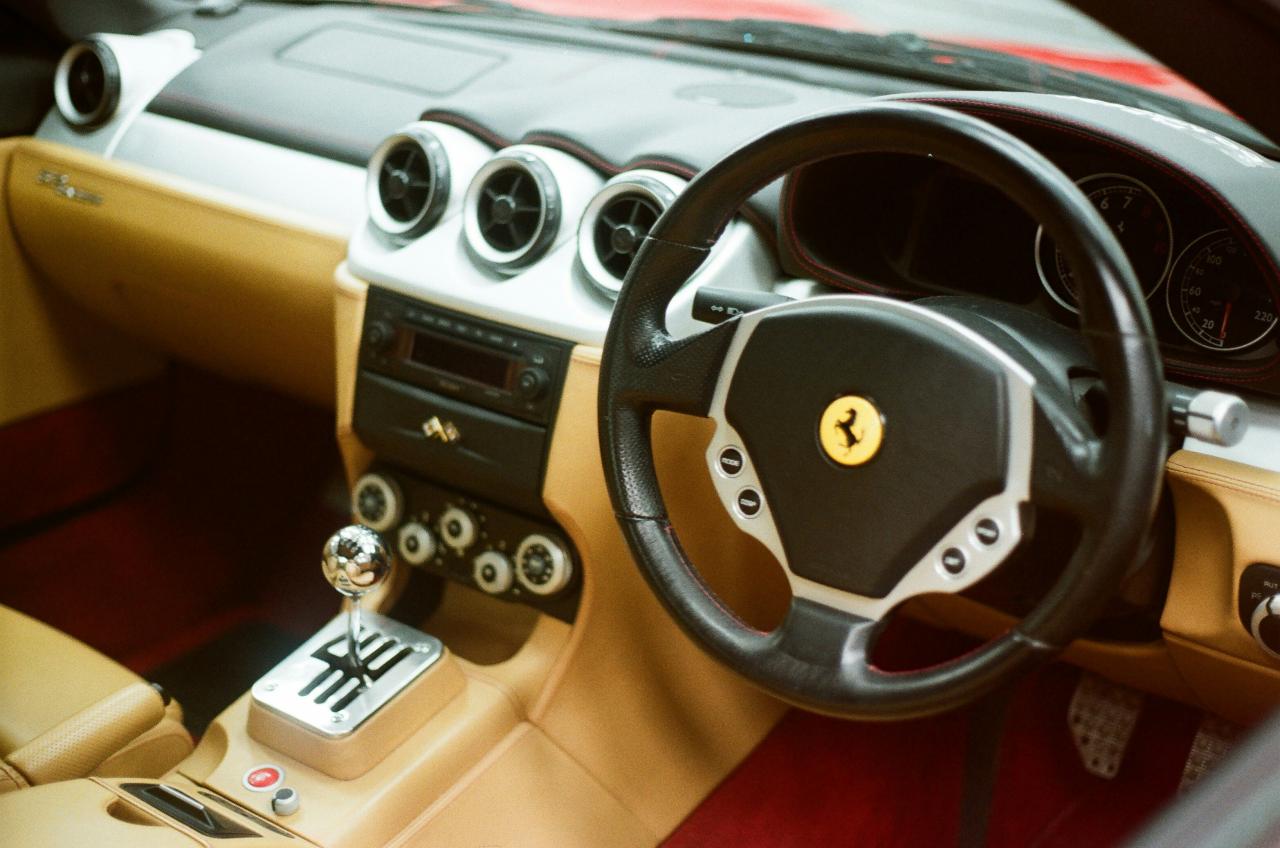
The landscape of luxury automotive investment is undergoing a profound metamorphosis as the traditional pillars of mechanical prestige collide with the urgent demands of a digital-first and sustainable future. For the discerning investor, this shift presents a complex duality: while the foundational allure of heritage brands remains potent, the emerging value drivers are increasingly rooted in proprietary software ecosystems, ultra-exclusive personalization, and the careful navigation of a precarious regulatory environment. To identify alpha in this sector, one must look beyond simple brand recognition and instead evaluate how specific manufacturers balance the tension between the visceral “soul” of combustion-era engineering and the undeniable efficiency of modern digital luxury. This analysis explores the core trends defining the current investment horizon, focusing on how institutional and private capital are positioning themselves to capitalize on the next era of high-end mobility.
The implementation of sophisticated capital deployment standards has reached a level of maturity that allows for the total transformation of legacy wealth management and long-term asset growth.
Investors are now utilizing these rigorous, event-driven frameworks to drive higher valuation multiples and secure preferential access in a competitive global environment.
The Digital Luxury Gap and Software Monetization

The primary competitive battleground has shifted from the quality of door-shut sounds to the sophistication of the digital cabin experience. Traditional brands are now racing to close a “digital gap” where nimble competitors deliver AI-driven assistants and smartphone-like update speeds that redefine consumer expectations. For investors, the opportunity lies in identifying legacy manufacturers that successfully transform into service-oriented technology platforms, effectively monetizing over-the-air upgrades and recurring software features.
This transformation is critical for maintaining relevance with younger, tech-forward affluent demographics who prioritize seamless connectivity over mere horsepower. Companies that effectively integrate proprietary operating systems across their fleets are positioned to capture recurring revenue streams long after the initial point of sale. Software-defined vehicle capability is now the primary metric for assessing long-term brand viability and margin protection.
Authentic Amplification in Electric Hypercars
Ultra-luxury buyers are rejecting soulless electrification that strips away the visceral connection between driver and machine. The most successful high-end brands are pivoting toward “authentic amplification,” where technology—such as haptic feedback and real-time sensory enhancement—is used to mimic the mechanical soul of traditional V12 engines. Investing in marques that master this synthesis of high-performance electric torque and human-centric feedback provides a distinct advantage in the hyper-exclusive segment.
Rather than relying on artificial sound synthesis, leading manufacturers are now employing hardware-based solutions that translate electric motor vibrations into a tangible, thrilling driving experience. This focus on technological authenticity ensures that the brand preserves its heritage appeal even while adopting cleaner propulsion systems. Success in this niche requires identifying companies that treat the electric transition as an evolution of experience rather than a compromise of performance.
Hyper-Exclusive Bespoke Customization Programs
The demand for hyper-exclusivity has fueled a surge in factory-led bespoke programs that push the definition of a “production” vehicle. Brands that allow clients to commission single-example designs are commanding significantly higher premiums and fostering extreme brand loyalty. This trend serves as a vital hedge against commoditization, as these unique assets become instant collector items with a floor value dictated by scarcity and prestige.
Investors favor companies that have industrialized this bespoke process without diluting the brand’s core identity. These customization programs represent high-margin revenue streams that require minimal inventory commitment, as they are essentially sold before production begins. The ability to deliver a one-of-a-kind ownership experience is now the hallmark of the most successful ultra-luxury entities.
Strategic Vertical Integration and Supply Resilience
The age of the “Global Car” has come to an abrupt end, replaced by the necessity of localized manufacturing and friend-shoring to mitigate tariff volatility. Supply chain fragility has prompted leading luxury OEMs to pursue deeper vertical integration, securing everything from battery mineral sourcing to specialized software development.
Companies that demonstrate robust control over their supply chain are better insulated from geopolitical shocks that threaten to derail production cycles. Investment focus is shifting toward firms that proactively de-risk their operations by localizing production in key markets. While this reduces traditional global efficiency, it grants a critical competitive edge in terms of regulatory compliance and market access. Operational rigor in this volatile environment is now a primary determinant of consistent profitability and long-term valuation stability.
The Resurgence of Mechanical Tactility
In a counter-reaction to the pervasive use of flat touchscreens, a clear trend has emerged: the return of physical controls and tactile mechanical interfaces.
Luxury buyers are signaling a preference for high-quality, weighted knobs and buttons that provide a sense of enduring precision. Brands that incorporate these elements while maintaining essential digital connectivity are finding high success in retaining the “mechanical luxury” appeal that discerning collectors demand.
This trend highlights the importance of design differentiation in an increasingly homogenized electric landscape. Investing in marques that honor the user’s need for physical, grounded feedback can lead to superior customer satisfaction and stronger brand retention. The tactile experience is now recognized as a key element of the luxury definition, bridging the gap between historical heritage and future-ready performance.
Direct-To-Consumer and Omnichannel Retail Shifts
The traditional dealership model is being restructured to favor direct-to-consumer (DTC) channels, enabling brands to collect deeper customer data and provide personalized service. By controlling the end-to-end purchase journey, OEMs can offer curated lifestyle experiences that resonate with their target demographics.
This transparency and control over the sales process allow for more accurate inventory management and pricing power, which directly bolsters corporate margins. Investors should monitor brands that are successfully transitioning to these agency models, as they gain vital visibility into customer expectations and sentiment. The ability to bypass intermediaries and engage directly with the buyer is a key indicator of a brand’s ability to adapt to modern retail preferences. Omnichannel integration is no longer optional; it is a foundational requirement for high-end automotive sales growth.
Geographic Diversification and Market Localization
Regional economic disparities are forcing luxury brands to tailor their portfolios with surgical precision. While traditional markets like Europe and North America focus on innovation and performance, emerging high-wealth hubs in Asia and the Middle East demand high-tech features and specific design configurations. Successfully balancing these diverging regional preferences is essential for maintaining global brand relevance and growth.
Manufacturers that utilize localized hubs to respond to shifting demand patterns are better positioned than those relying on one-size-fits-all strategies. Strategic investment in region-specific marketing and localized luxury events helps companies capture market share in high-growth territories. The ability to operate as a local player in multiple global contexts is the new gold standard for luxury automotive success.
Rare Asset Provenance and Collector Valuation
The market for high-end automotive assets is increasingly treating specific models as alternative investment classes, similar to fine art or rare real estate. Provenance, historical significance, and original condition are the primary drivers of appreciation for these assets. Collectors are showing sustained interest in limited-edition models that mark pivotal transitions in automotive engineering history.
For the investor, identifying these “instant classics” requires a deep understanding of historical market data and technical legacy. The institutionalization of this collector market—through standardized appraisal and high-fidelity certification—is making it easier to trade these assets at scale. This formalization adds a new layer of liquidity and potential return for those who can identify the most significant vehicles before their value peaks.
Hybrid Powertrain Strategy as a Hedge
While the long-term industry outlook leans toward full electrification, hybrid powertrains are currently playing a vital role in bridging the gap for the ultra-luxury segment.
By combining the immediate torque of electric motors with the emotional engagement of internal combustion engines, these hybrid systems offer a compromise that satisfies both regulatory requirements and customer desire. This tactical utilization of hybrid technology provides a hedge against the unpredictability of battery material supply chains and infrastructure maturity.
Investors view this dual-powertrain approach as a sign of operational prudence, allowing brands to fulfill their performance mandates without abandoning their combustion-era legacy. This flexibility enables a more gradual adoption of new technologies, ensuring that the brand does not alienate its core base during the transition period. Successful integration of hybrid systems is a key indicator of a firm’s commitment to balanced innovation.
Institutionalizing the Collector Car Market
The collector car market is evolving from a niche pursuit into a professionalized investment sector supported by better data, secure storage, and specialized financing options.
As financial institutions begin to recognize these vehicles as viable components of a diversified wealth strategy, liquidity and valuation transparency are increasing. This trend is opening the door for larger volumes of capital to enter the collector space, further stabilizing prices for historically significant models.
The professionalization of the market reduces the risks typically associated with private, opaque transactions. Investors looking to enter this space should focus on models with documented service histories, clear provenance, and established demand patterns. As the sector matures, the correlation between classic car performance and broader equity indices is becoming a point of interest for sophisticated asset allocators.
Conclusion

The luxury automotive sector is in the midst of an intense cycle of innovation and structural realignment. Investment potential is highest in companies that successfully merge technological prowess with the emotional heritage of high-end mechanical engineering.
Software-defined vehicle capability is rapidly becoming the most critical metric for long-term profit margins. Direct-to-consumer models are reshaping the retail landscape, offering better visibility and customer engagement for OEMs. Authentic performance, rather than synthetic imitation, is what drives demand in the electric hypercar segment. Bespoke personalization is a powerful tool for maintaining exclusivity and protecting brand value against market saturation.
Hybridization remains a necessary transitional strategy that balances regulatory compliance with customer experience. Professionalization of the collector car market provides new, viable opportunities for portfolio diversification. The future belongs to those brands that can adapt their heritage DNA to fit a high-tech, digital-first world. This industry represents a unique intersection of passion and financial performance for the forward-thinking investor.

